

Choosing the right fabric and pattern is the foundation of every successful sewing project, whether you’re crafting an elegant dress, a tailored jacket or a comfortable everyday piece. The difference between a mediocre garment and a beautiful, wearable creation often comes down to understanding fabric properties, quality levels and how they interact with your chosen design. This guide walks you through the essential decisions that transform fabric selection from overwhelming to empowering.
Understanding Fabric Selection for Your Sewing Projects
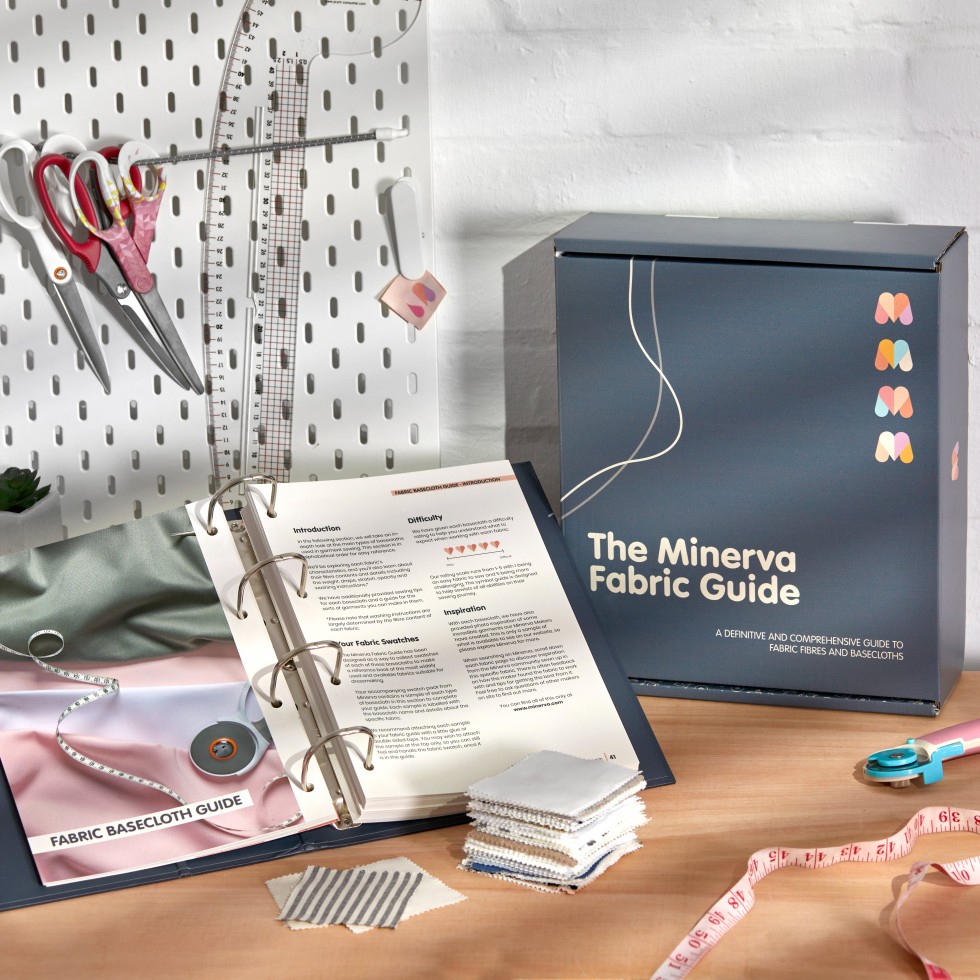
Before you buy a single yard, clarify what you’re making and how you want it to perform. A cocktail dress demands different fabric behavior than casual weekend wear. Consider drape, stretch, weight and structure. Natural fibers like cotton, linen and viscose breathe beautifully and age gracefully, making them ideal for garments you’ll wear season after season. These fabrics respond predictably to patterns, hold their shape and develop character over time. When you invest in quality textiles from Minerva, you’re choosing materials tested by decades of dressmaking expertise, not guesswork.
Premium Dressmaking Fabrics for Quality Creations

The foundation of any sewing wardrobe is a curated selection of premium dressmaking fabrics. Cotton voile glides under the needle and creates structured silhouettes without weight. Linen offers crisp body for tailored styles and improves with every wash. Viscose drapes like silk but costs significantly less, bringing elegance to evening wear and everyday basics alike. Crepe brings subtle texture and movement, flattering curves while forgiving minor fitting imprecision. Each fiber has its own personality and learning to work with these natural materials teaches you more about garment construction than synthetic alternatives ever will. Minerva stocks these essentials in depth, with consistent quality that allows you to build reliable patterns you trust.
What to Evaluate When Selecting Fabrics
Before committing to a purchase, examine the fabric carefully for key characteristics that affect the finished garment
- Drape and fluidity Test how the fabric moves and falls when held vertically, ensuring it matches your design vision.
- Weight and structure Heavier fabrics suit tailored silhouettes, while lightweight textiles work best for fluid, flowing designs.
- Fiber content and care requirements Natural fibers typically age gracefully, but confirm washing and pressing instructions match your lifestyle.
Designer Deadstock, Luxury Textiles at Better Prices
One of the smartest moves a home sewer can make is to embrace designer deadstock fabrics. These are genuine surplus lots from luxury fashion houses, the leftover yardage after commercial production ends. You’re getting the exact same textiles that appear in high-end ready-to-wear, but at a fraction of retail. A piece cut from designer deadstock carries an invisible sophistication; the fabric itself has been vetted by professional pattern makers and production teams. The color matching, weave structure and hand-feel reflect years of supplier relationships and quality standards. These discoveries teach you what excellence feels like, calibrating your eye and touch for future purchases. Sourcing designer deadstock requires a supplier with established relationships in the fashion industry, which is exactly what Minerva brings to the table with their quarter-century of business.
Sewing Patterns Paper vs. Digital Options
Your pattern choices shape the entire project timeline and success rate. Paper patterns offer tactile satisfaction, you can lay them out, adjust them by hand and feel the weight of tissue underfoot. They never crash, never need updating and become part of your permanent sewing library. Digital patterns arrive instantly, take up no shelf space and can be printed at home or taken to a print shop for larger formats. Some sewers prefer one format exclusively; others keep both on hand depending on the project. A simple basic dress might come from a decades-old paper pattern you’ve refined over years. An experimental design might be a PDF you purchased specifically for one ambitious garment. Mixing both approaches keeps your work fresh while respecting your preferred workflow. Minerva carries both paper patterns and digital downloads, ensuring you find exactly the format that works for your sewing style.
Vintage-Inspired Sewing Now and Then Patterns
Vintage sewing patterns have experienced a genuine renaissance among home sewers seeking designs that reflect timelessness rather than trend cycles. These patterns, originally published decades ago, often feature construction techniques that modern patterns sometimes overlook, techniques that create garments with superior structure and longevity. Now and Then Patterns, available exclusively through Minerva, recreates classic styles with historically accurate grading and modern fit options. You get the aesthetic and construction wisdom of vintage sewing paired with sizing that accommodates contemporary body diversity. Sewing a garment from a vintage pattern, especially one that explicitly updates the fit, gives you tangible connection to sewing traditions while creating something entirely new. These patterns teach you patience, precision and the satisfaction of construction methods that prove their worth through decades of wear.
Building Your Haberdashery Collection
Threads, buttons, zippers, interfacing and notions elevate a project from acceptable to exceptional. Quality thread doesn’t break, doesn’t create tension problems and produces consistent stitch quality across every seam. Proper interfacing supports fabric behavior, enabling garments that hold their shape rather than gradually deforming with wear. Well-chosen buttons become focal points, functional art that completes your design vision. Specialty notions like snap tape, hem tape and bias binding save time and improve professional appearance. Building a curated haberdashery collection is an investment in your sewing practice. Each visit to your supplies, you see options and remember successes from previous projects. You notice patterns in what works and what disappoints. Minerva curates haberdashery supplies with the same philosophy applied to fabrics, ensuring every supporting element matches their commitment to quality.
Creating garments that you love wearing, pieces you reach for repeatedly because they fit well, move beautifully and stand up to regular washing, requires understanding the role each material and pattern choice plays. Take time to know your fabrics, test your patterns on muslin when undertaking new designs and invest in notions that won’t betray your work midway through the season. This thoughtful approach transforms sewing from a craft into a practice and your finished wardrobe reflects that intentionality.